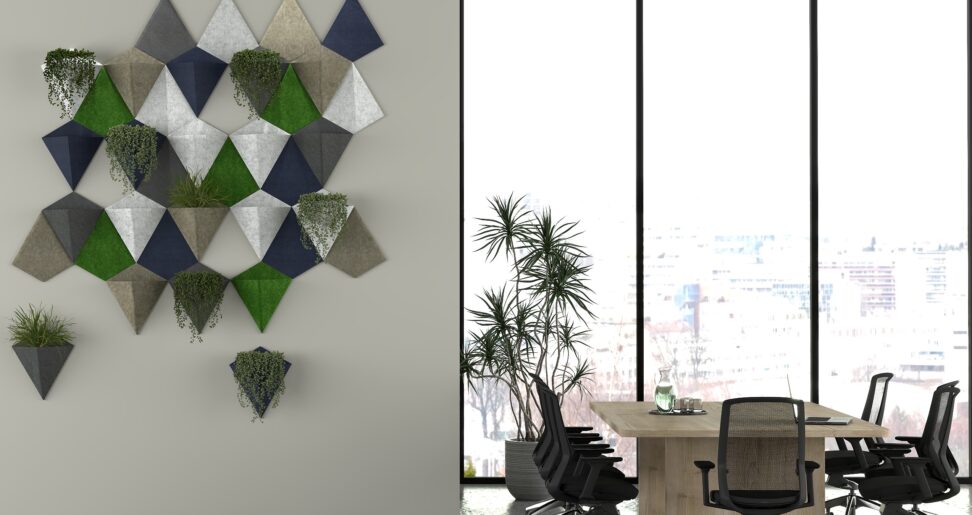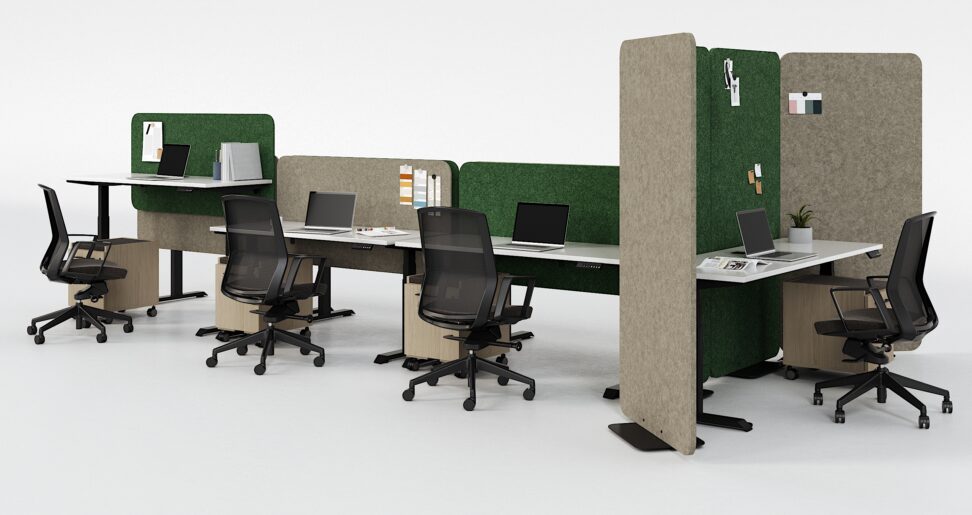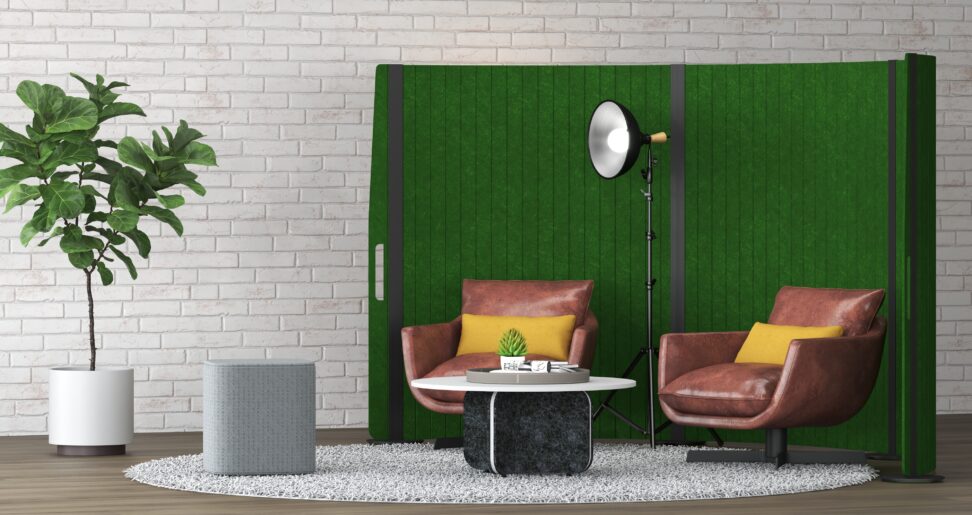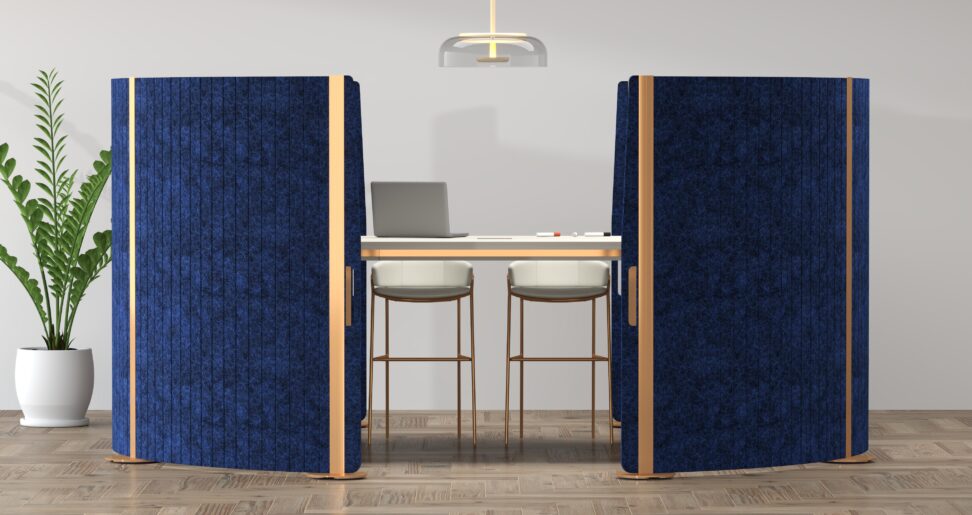



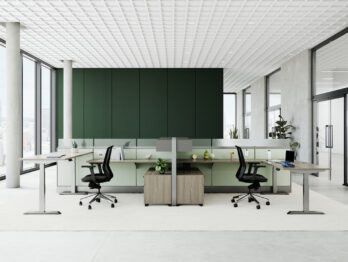









As workplace design continues to evolve, sustainability and employee well-being are becoming more connected than ever before. Today’s offices are expected to do more than simply look good; they need to support focus, comfort, flexibility, and long-term environmental responsibility.
One material helping support this shift is PET.
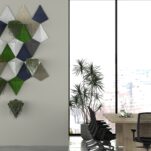
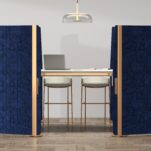
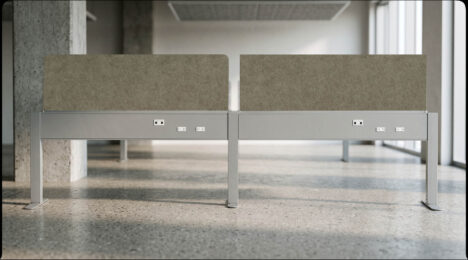
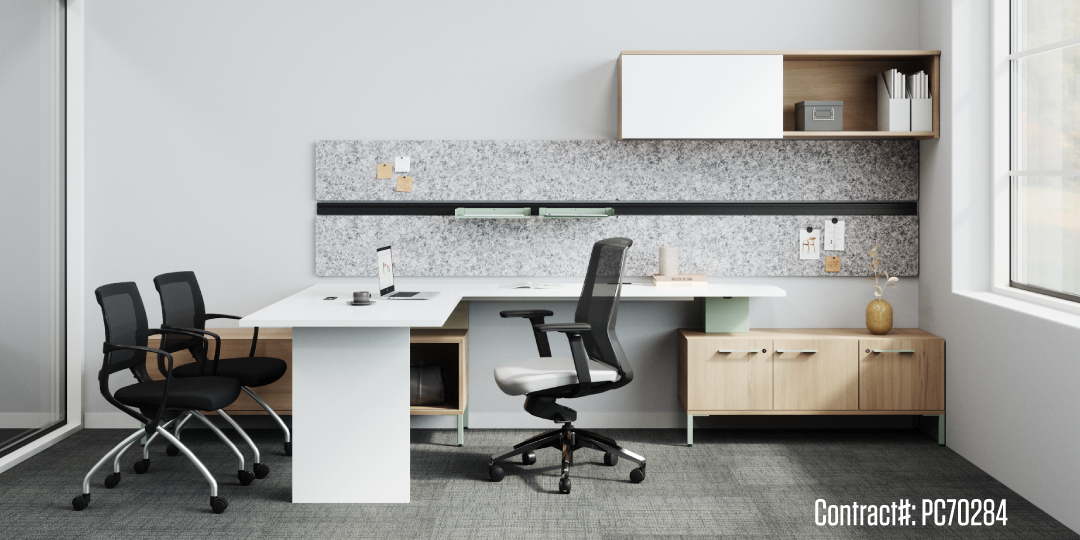
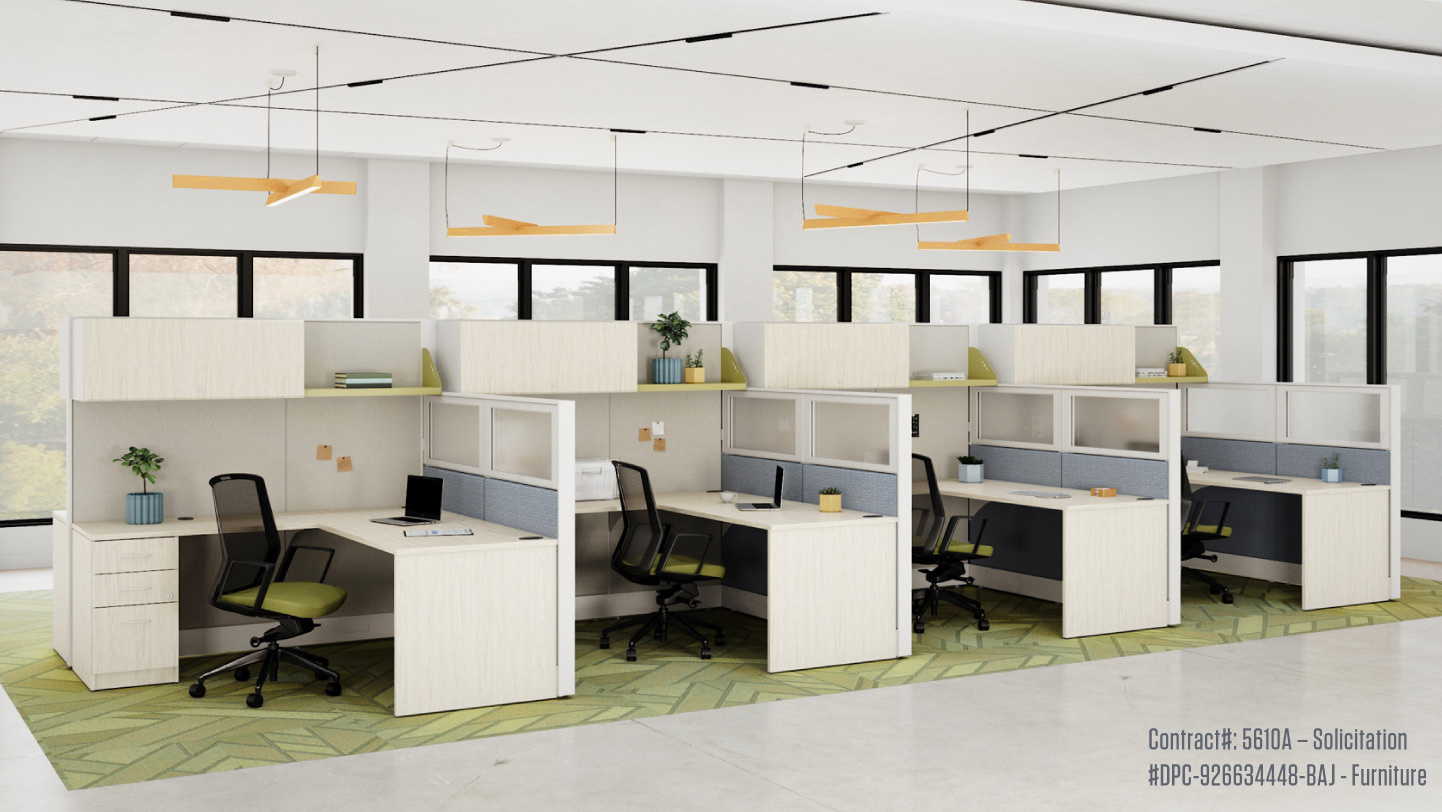
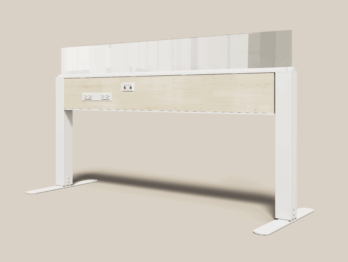
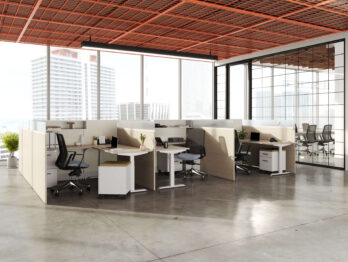
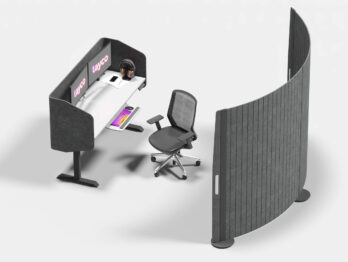
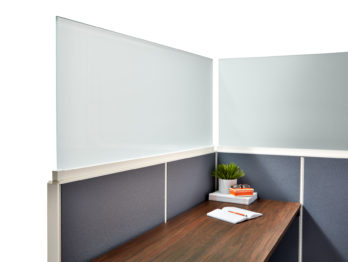
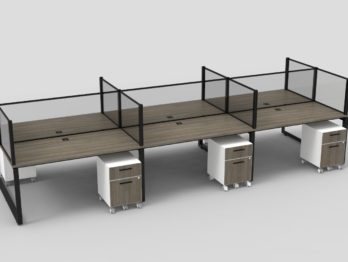
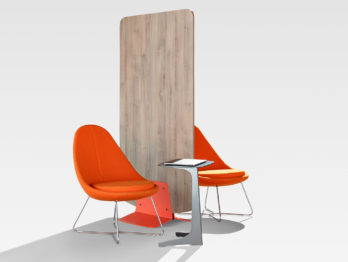
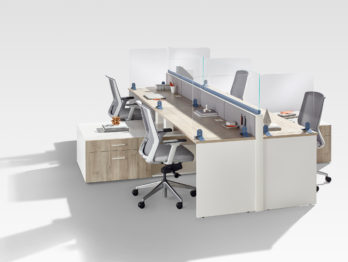
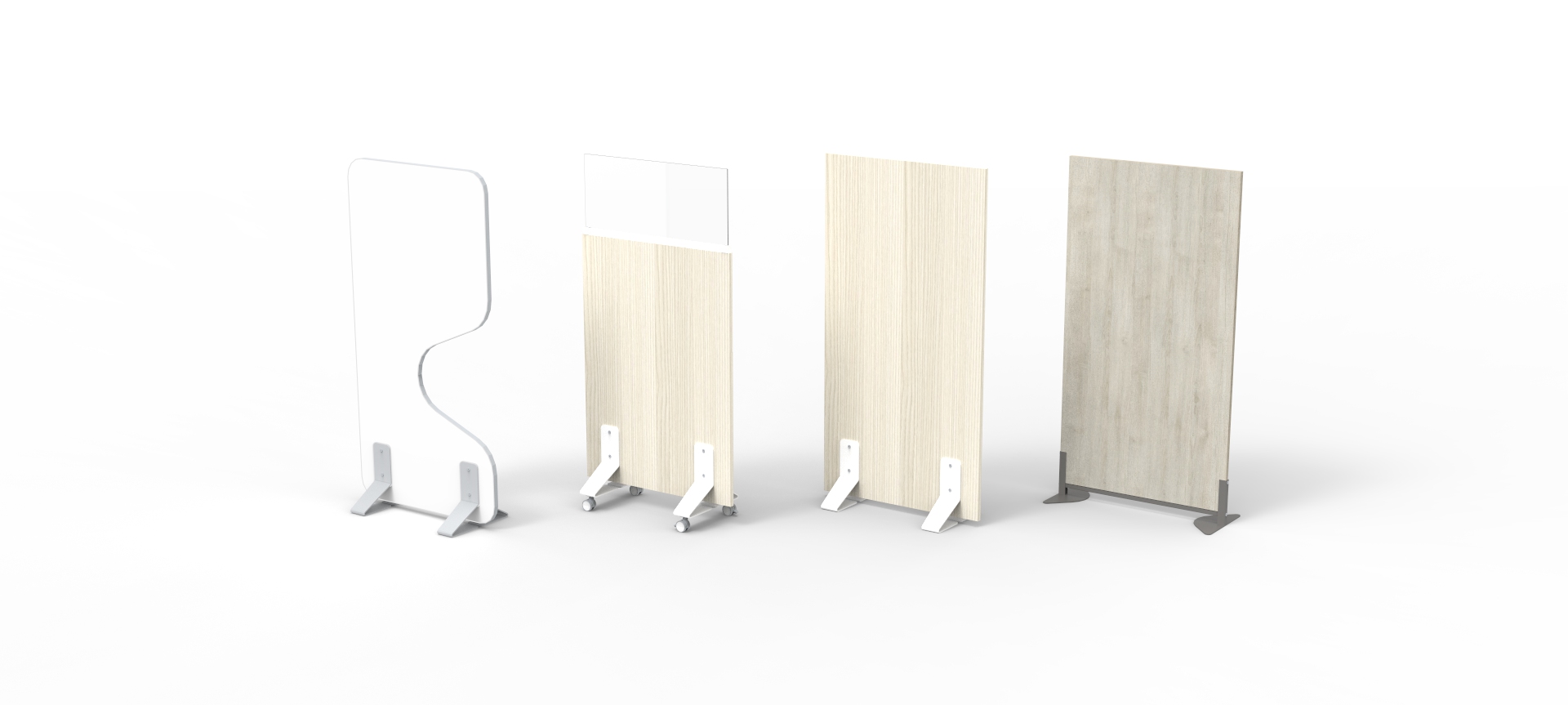
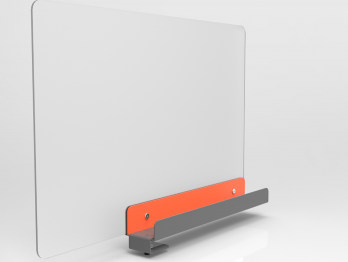
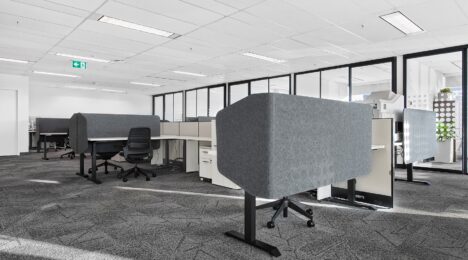
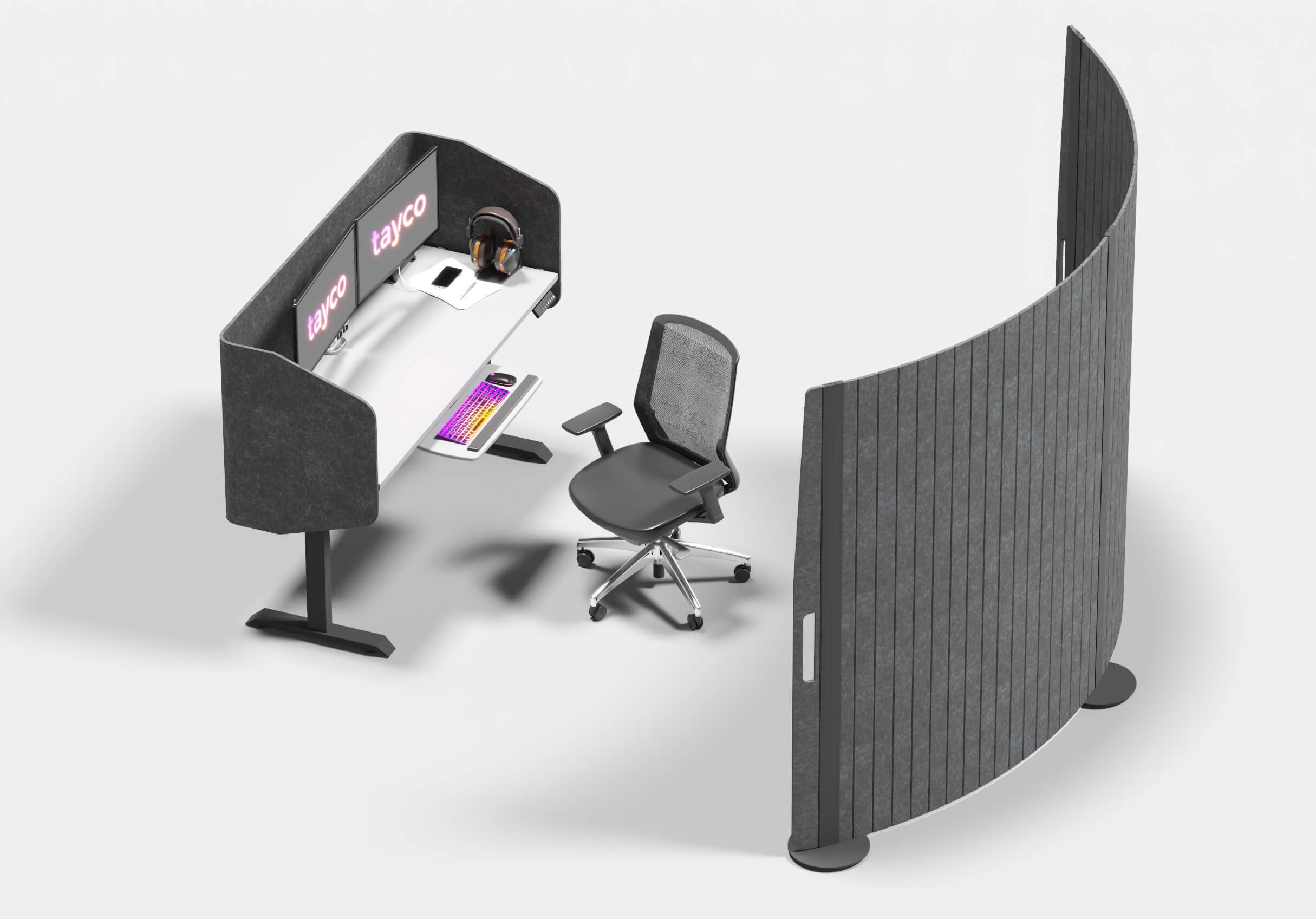
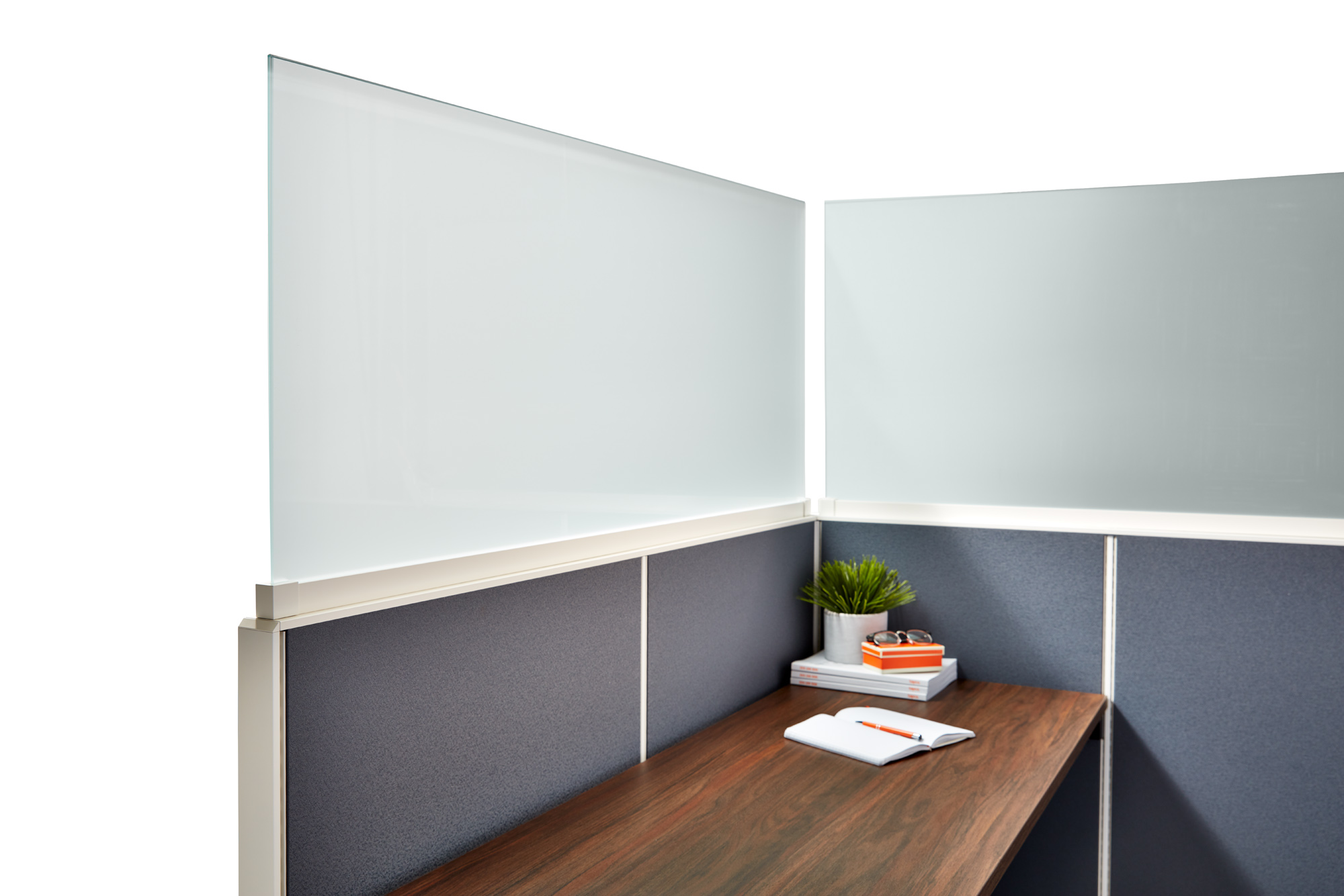
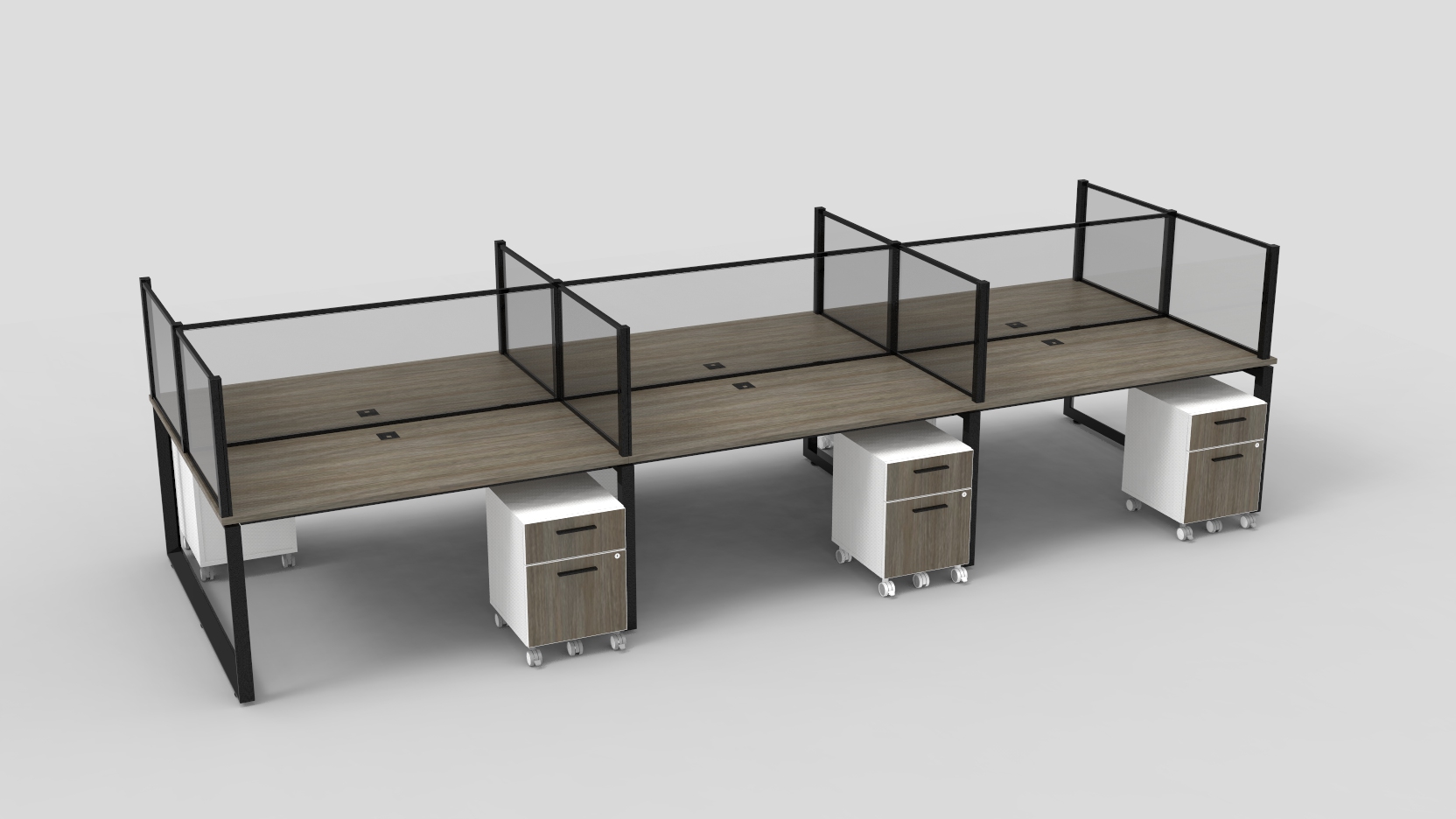
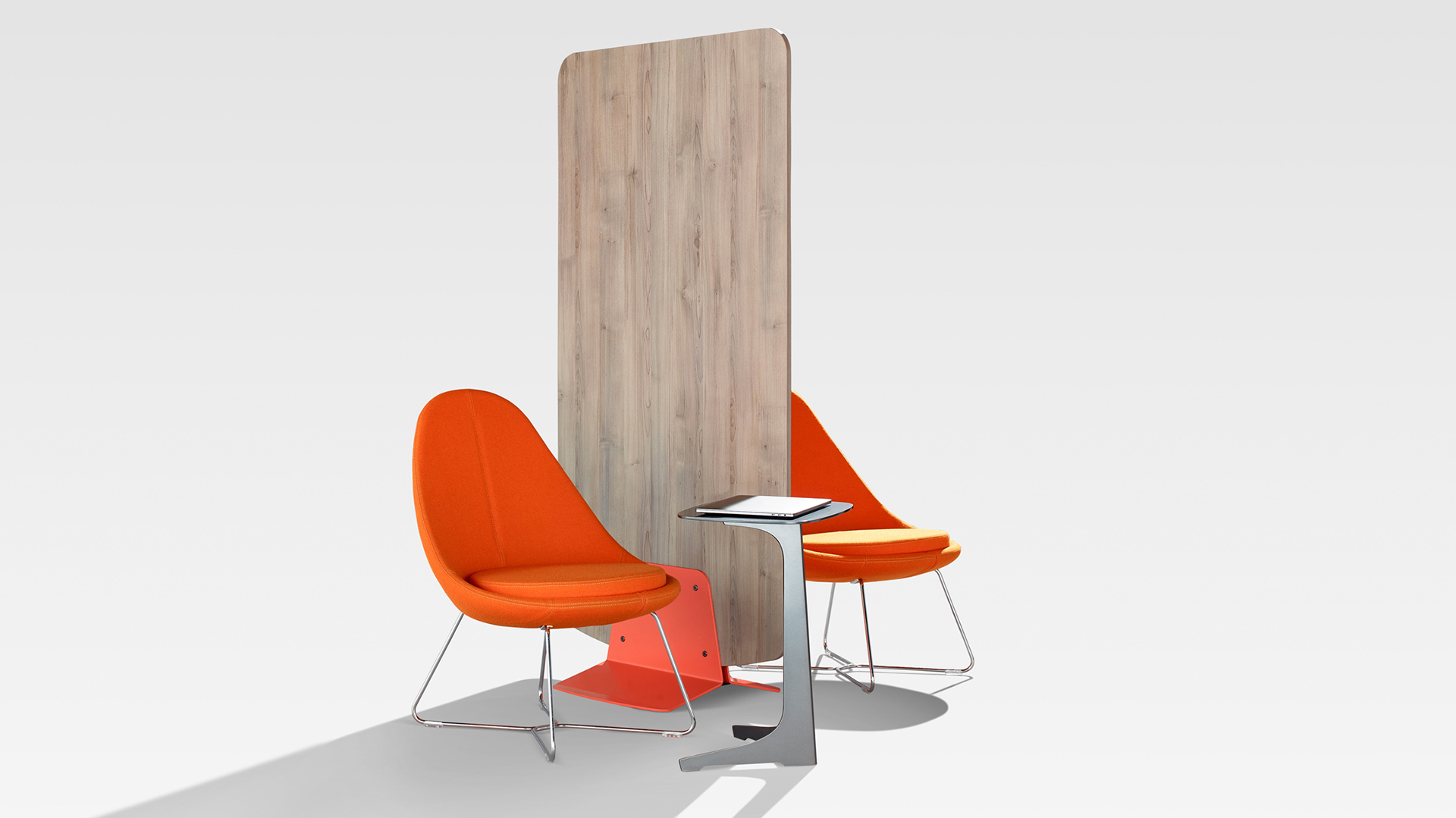
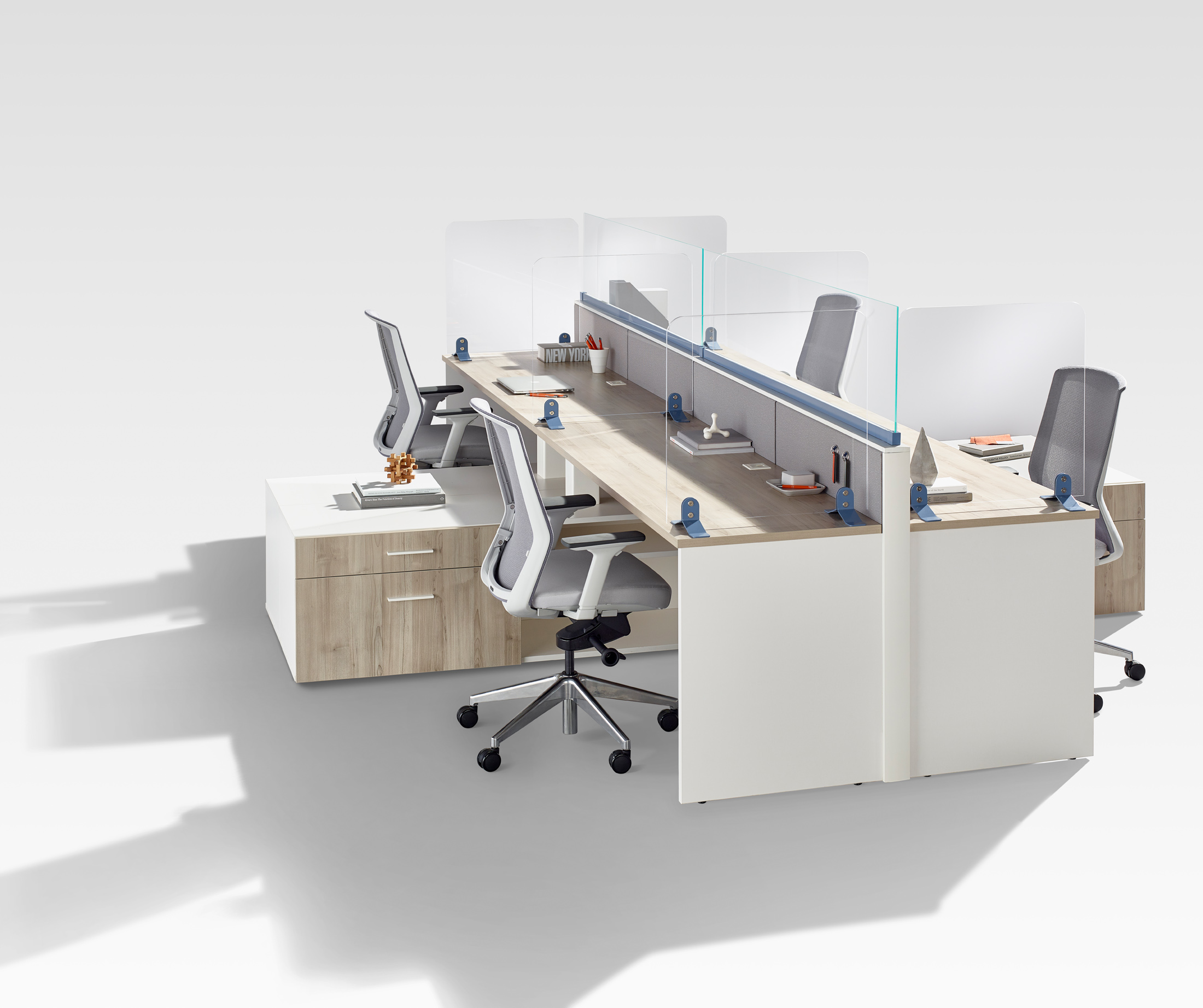
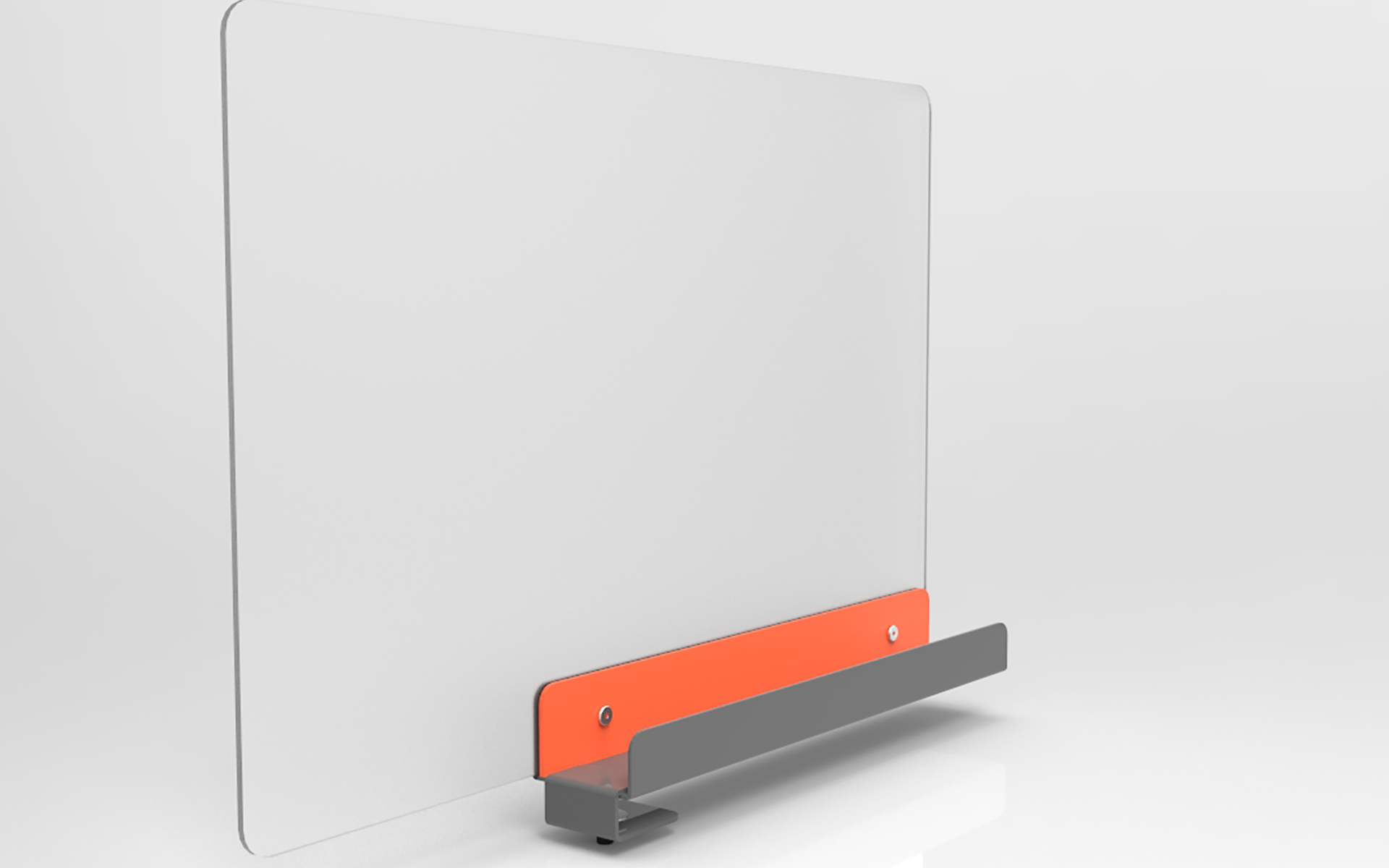
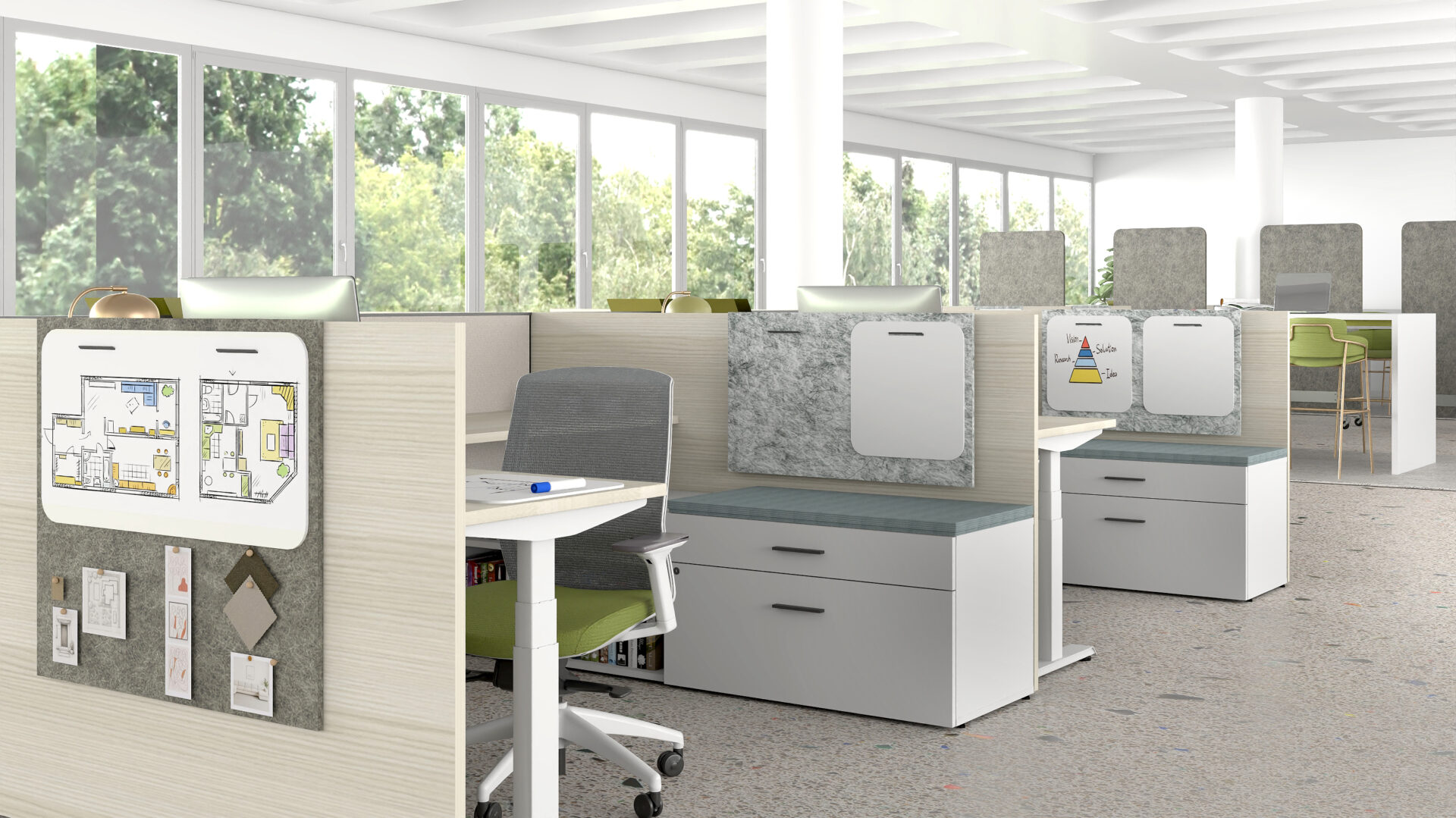
Known for its acoustic performance, versatility, and sustainable composition, PET solutions are increasingly being integrated into modern workplaces to help create quieter, more balanced environments. From privacy screens and modesty panels to collaborative dividers and acoustic applications, PET products offer both functional and environmental benefits that support the changing needs of today’s office.
To explore this topic further, we spoke with Tayco Regional Sales Manager Tricia Romero about the growing demand for sustainable workplace materials, the role acoustics play in employee wellness, and how PET continues to shape the future of workplace design.
Q&A with Tricia Romero
Sustainability has become a major focus in workplace design. What conversations are you seeing happen most often around sustainable materials in the office today?
“Sustainability is a common personal preference for many Designers and people in general, however, there is a large question of what is truly sustainable since many companies seem to use the term for marketing purposes. Differentiating what is and what isn’t genuinely sustainable is very important. If they can specify and purchase sustainable products, that is the direction they will go.
End users do not typically request explicitly sustainable products. Cost, however, remains the biggest concern and eco-friendliness ends up being a ‘nice to have’. If the product has certain sustainability certifications and can contribute towards LEED points, for example, they are more inclined to be interested in specifying them.”
PET products continue to grow in popularity across commercial interiors. From your perspective, what makes PET such a valuable solution for modern workplaces?
“PET has become commoditized which has allowed for some very inexpensive options in the marketplace. It is a highly customizable material so there are endless possibilities for a design. It’s often used as an acoustic product but is also used as a decorative element instead of acoustic, allowing for a wide range of pricing and performance.”
Beyond sustainability, how do acoustic solutions like PET privacy screens contribute to employee wellness and overall workplace performance?
“The world changed after the COVID pandemic, and many people became more particular about their personal space, especially as they returned to the office. Acoustic privacy became more important, as did visual privacy, especially when everyone is so used to an open office plan whose productivity has been debatable, particularly by the people occupying the open plan.
Also, as the office changes and evolves, PET products are lightweight and flexible enough to be moved around a space.”
How are Designers and Dealers balancing aesthetics, performance, and environmental responsibility when selecting materials for projects?
“Several Design Firms have taken initiatives to lead with environmentally responsible products and designs and will only allow these types of products in their material libraries. However, aesthetics and function still tend to be very important. Another significant factor is cost which can result in being the most important deciding factor of all.
Again, sustainability is often a personal choice for many Designers so they will propose products that align with their values, whether or not the Customer requests it.”
Looking ahead, how do you see sustainable workplace design continuing to evolve, and what role do you think materials like PET will play in that future?
“I think that PET will continue to evolve with more and more unique and design-forward applications, especially as more manufacturers enter the PET space. There is room for the material to be even more sustainable, but if the goal is to significantly reduce the use of plastic on a global scale, then PET would naturally phase itself out and be replaced with more sustainable, circular products that are comparable in performance, availability, and price.
That would take a very long time to happen but is possible!”
As workplace expectations continue to evolve around hybrid work, collaboration, and employee well-being, materials like PET are playing an increasingly important role in shaping flexible, acoustically comfortable, and design-forward environments.
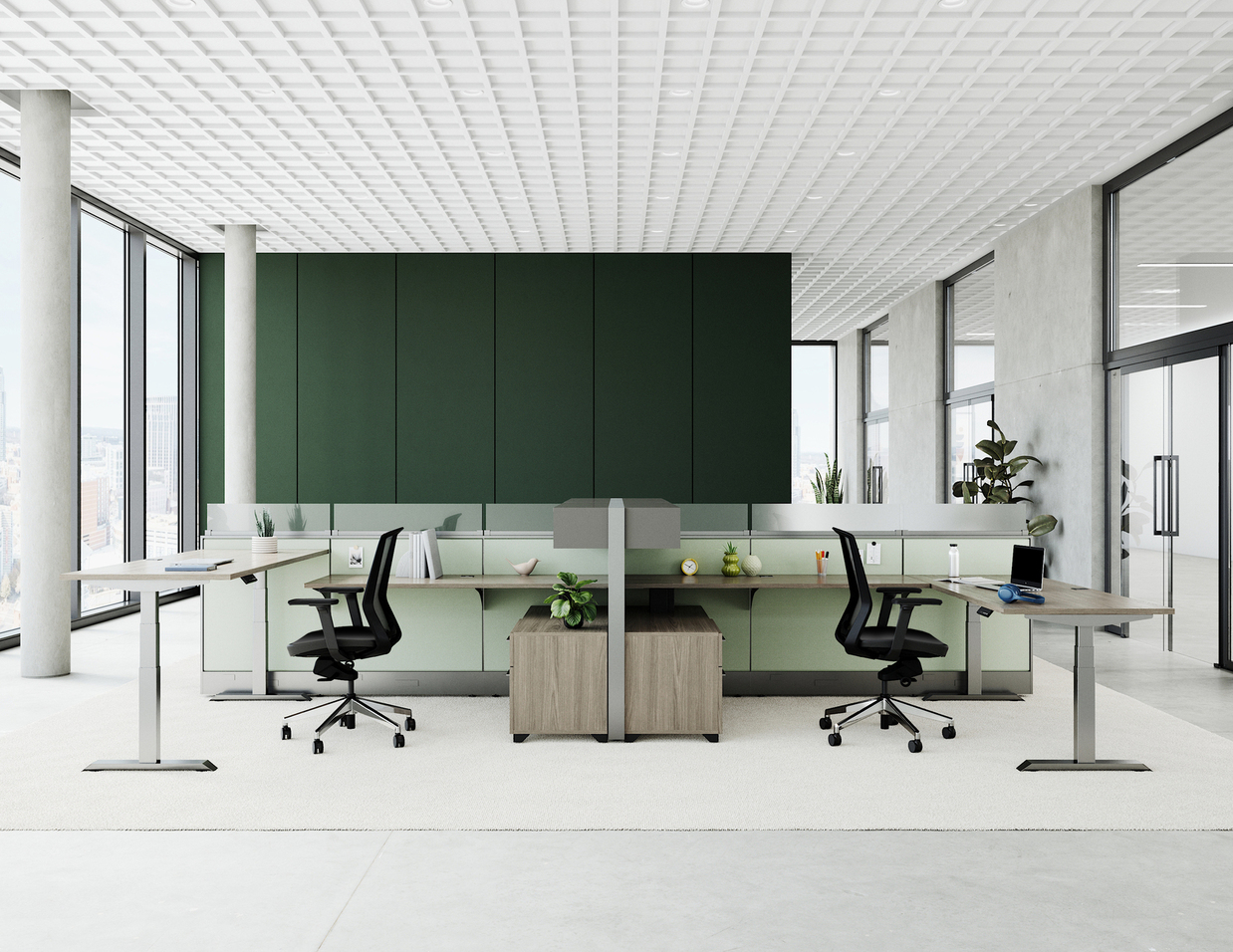
At Tayco, solutions like Echo PET help support acoustic comfort, privacy, and adaptability while contributing to more thoughtful material selection through recycled content and low-emission material properties. From privacy screens and dividers to acoustic panels, PET applications can help reduce distractions and support a balance between focused work and collaboration without compromising the openness of the workplace.
At the same time, material selection is no longer based on a single priority. Designers and Dealers are increasingly evaluating products through multiple lenses, including durability, acoustical performance, aesthetics, flexibility, longevity, and environmental impact.
As sustainability conversations continue to evolve across the commercial interiors industry, the focus is also expanding beyond recycled content alone, placing greater emphasis on transparency, circularity, long-term performance, and responsible material sourcing.