








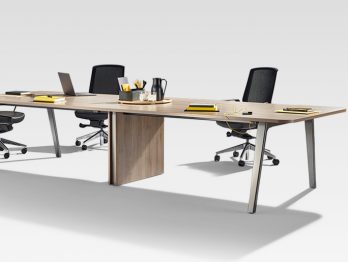
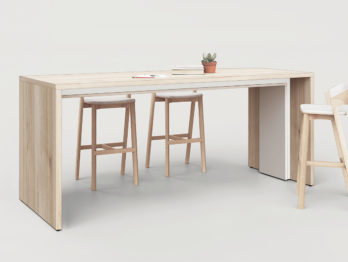
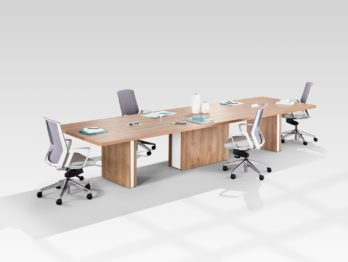





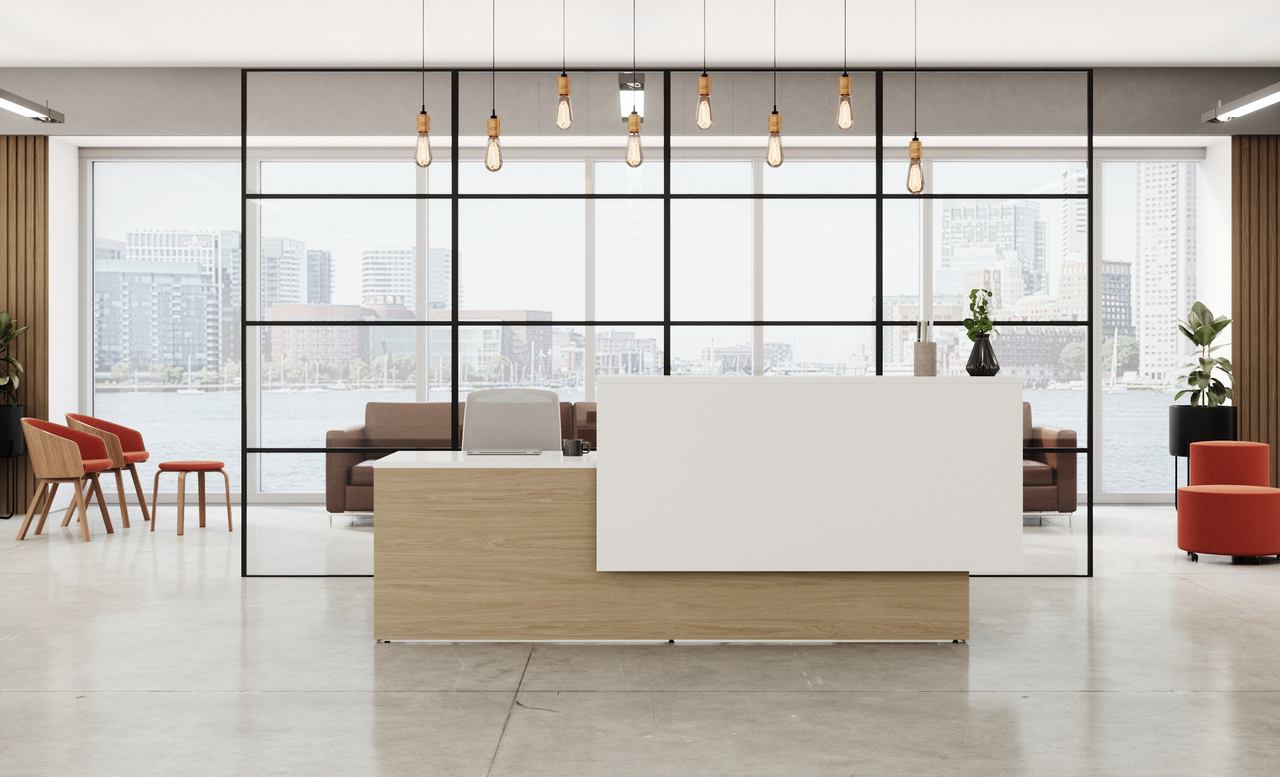
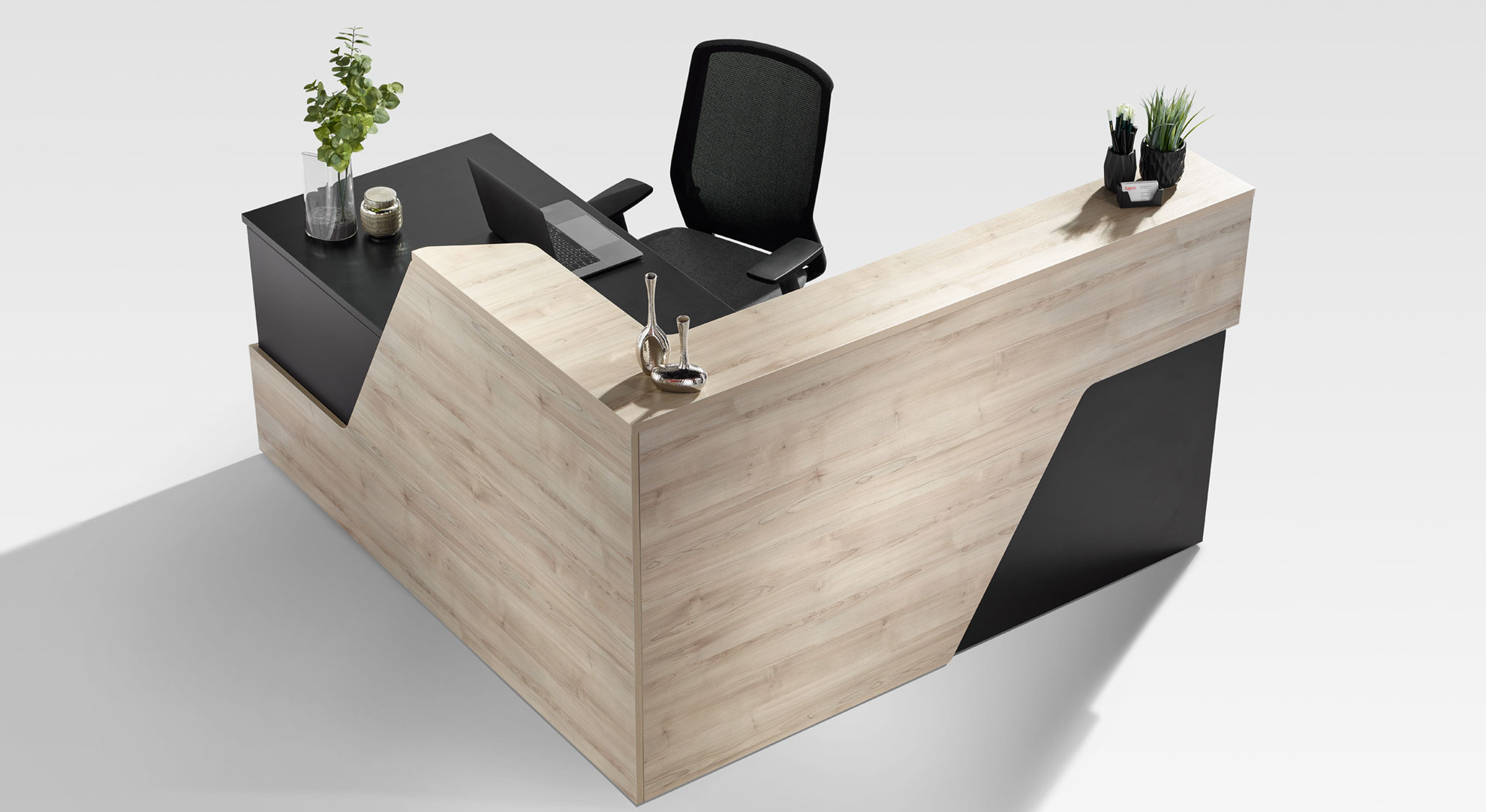

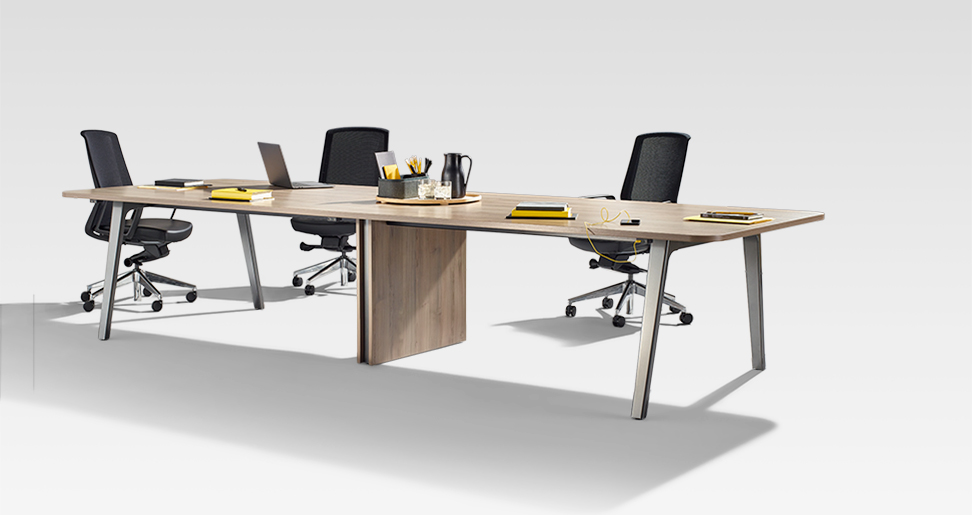
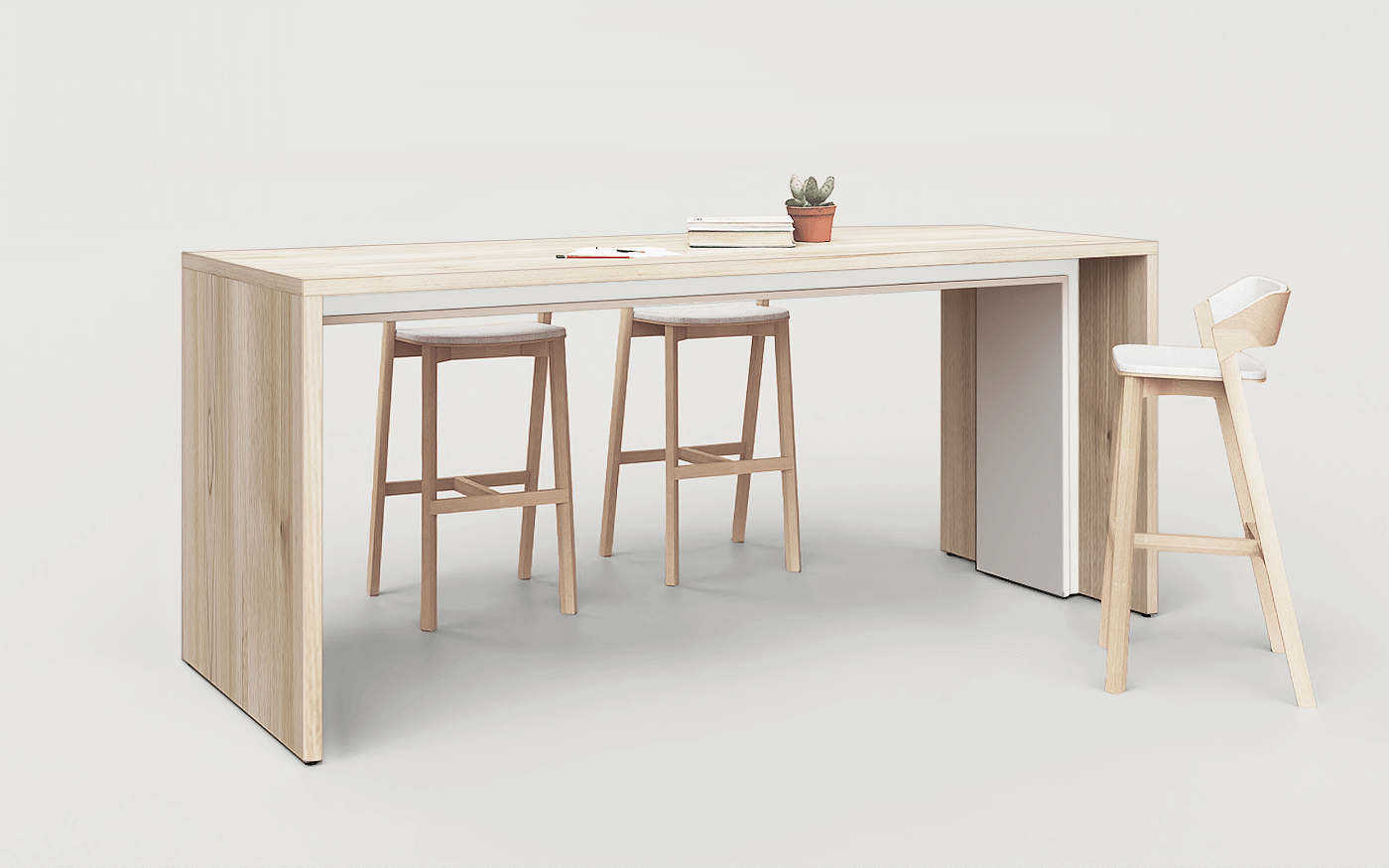
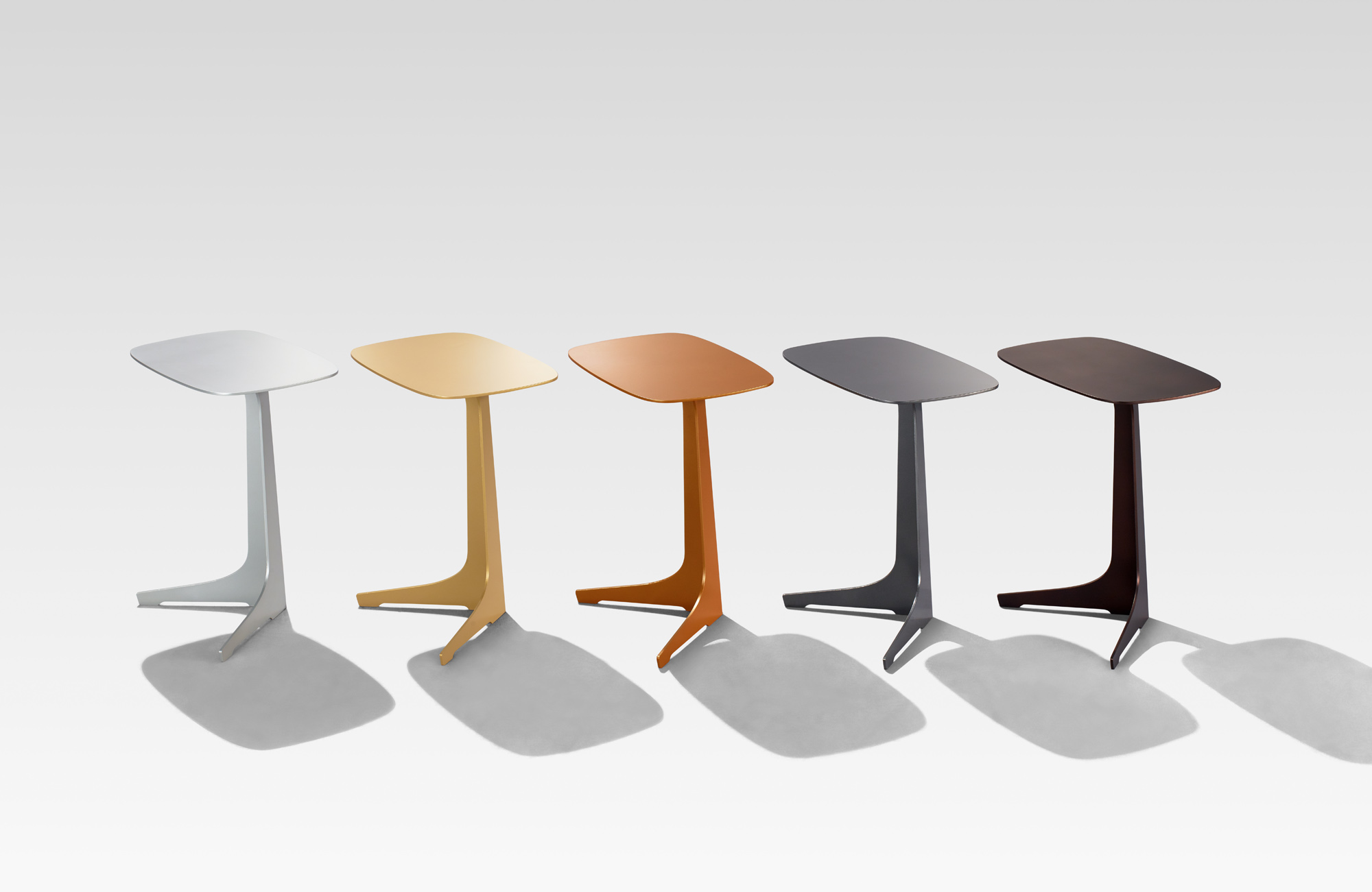
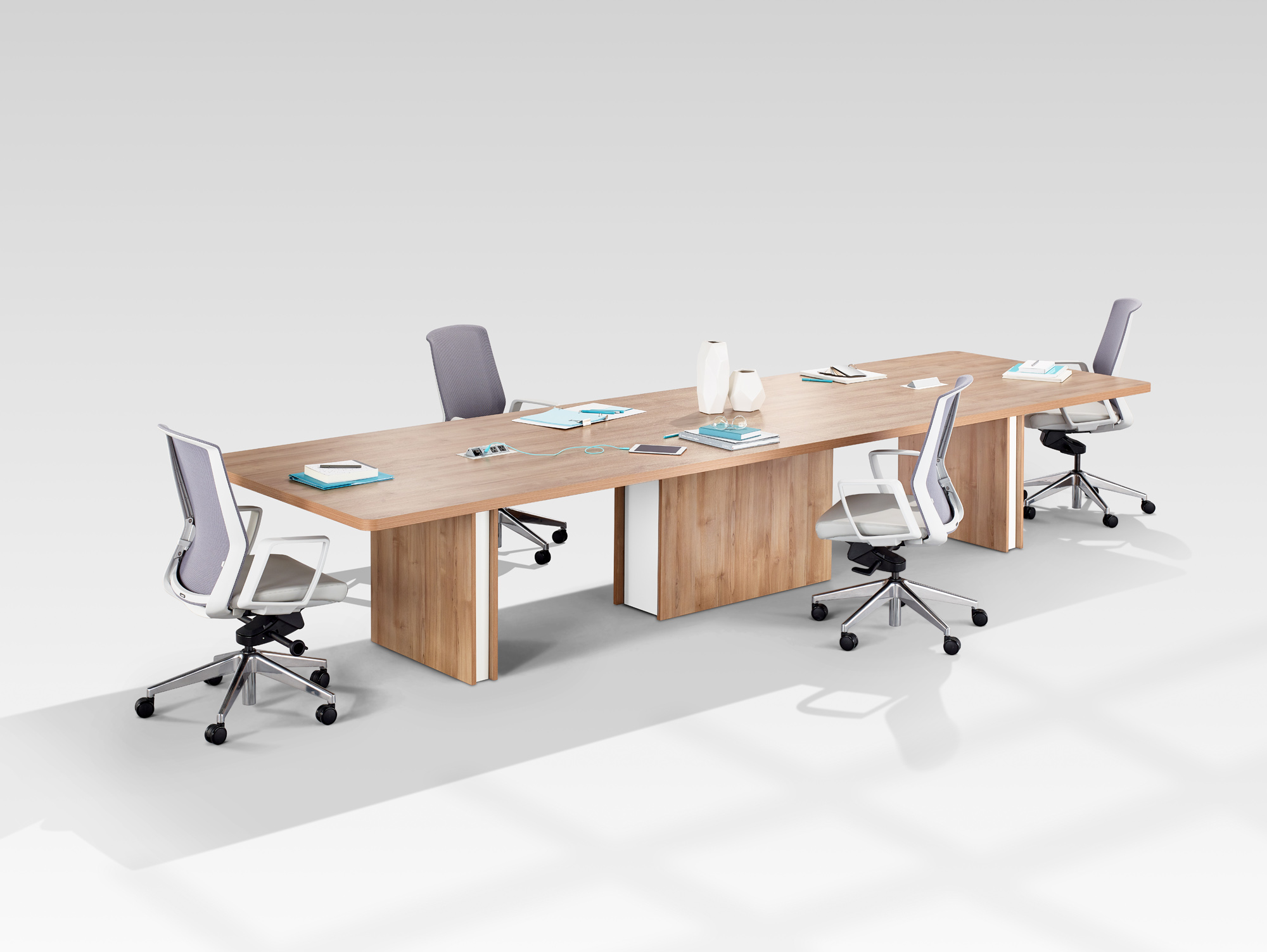

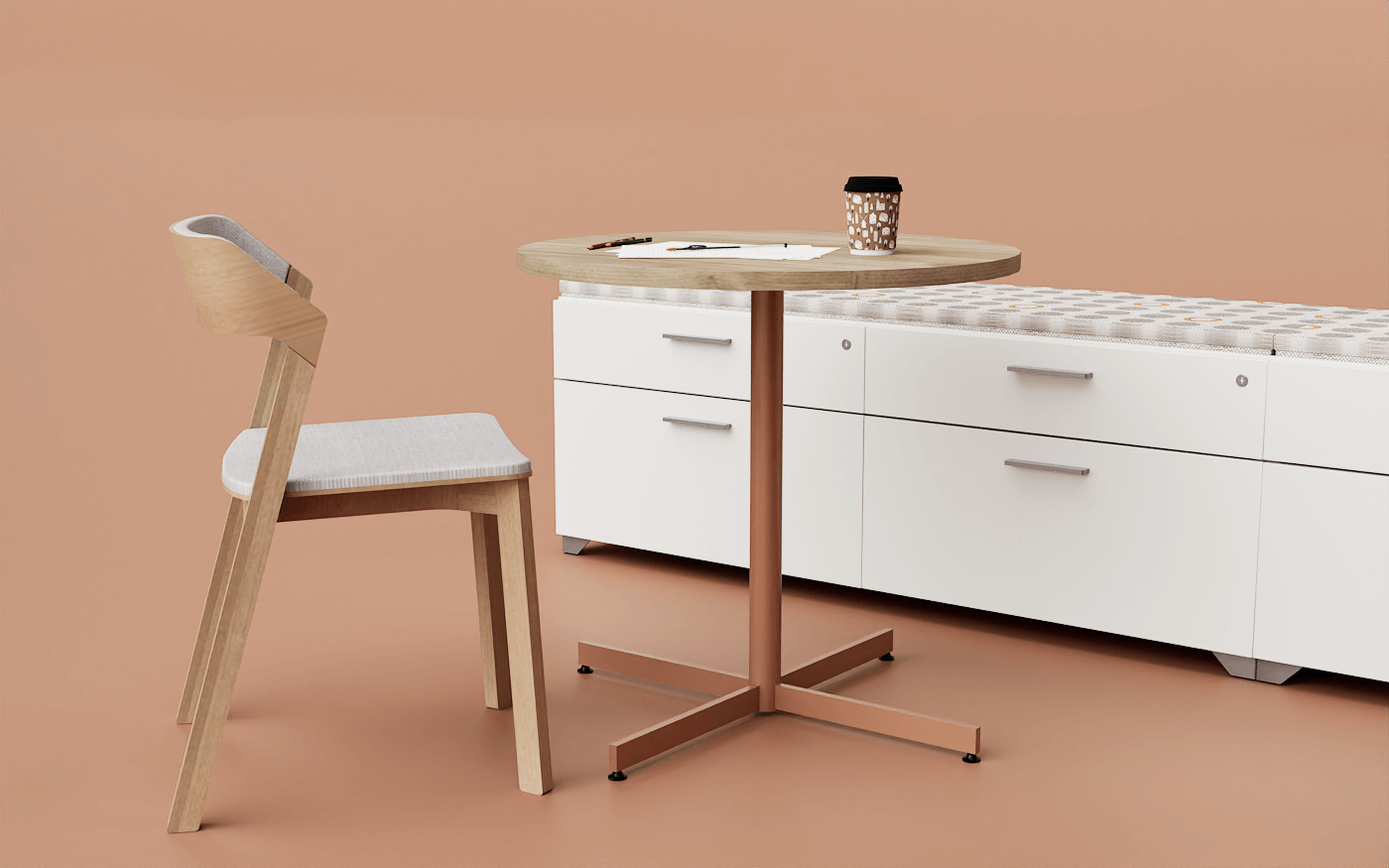

Sustainability decisions are not always the ones we can immediately see.
Sometimes, they are found in the materials behind a product. Sometimes, they happen on the manufacturing floor. And sometimes, they exist within something as small as the edge of a worksurface.
At Tayco, responsible manufacturing is shaped by these decisions. Not by one material or one initiative, but by continually examining how products are made and identifying opportunities to improve materials, processes and performance.
One of those opportunities is happening at the edge.
As of August 2026, Tayco has completed its transition from PVC to ABS edge banding, while hot air technology is now used approximately 95% of the time in our edging process.
These are two distinct changes. One considers what material is being used, while the other considers how that material is applied. Together, they reflect an approach to manufacturing that considers environmental impact alongside product quality, durability and operational efficiency.
Rethinking the Material
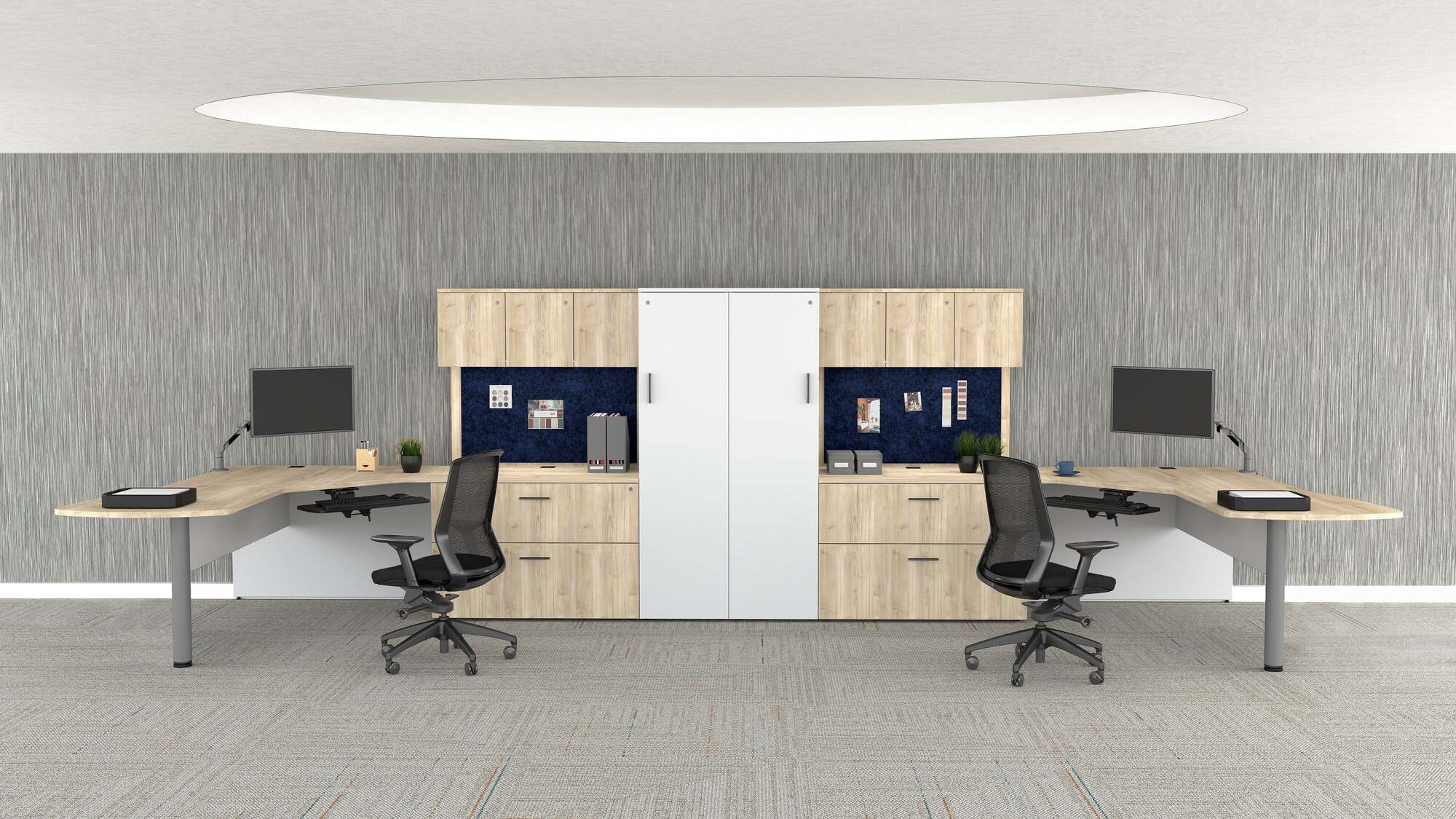
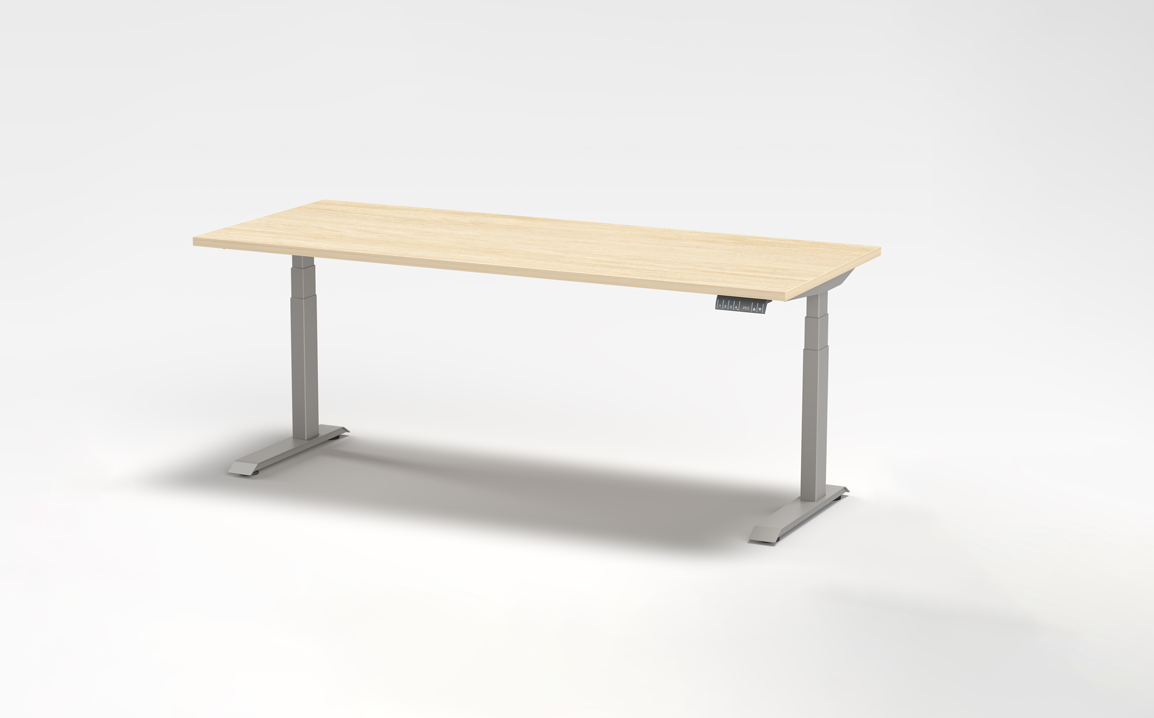
Edge banding may represent only a small portion of a finished worksurface, but it plays an important role in protecting exposed panel edges from everyday wear while creating the clean, finished appearance expected from commercial furniture.
PVC has long been used throughout the furniture industry for its durability, affordability, and compatibility with standard edge banding processes. As expectations around materials and manufacturing continue to evolve, there is an opportunity to look beyond traditional choices and consider alternatives that can deliver the same performance while offering added environmental and production benefits.
For Tayco, that evaluation led to a complete transition from PVC to ABS, edge banding.
ABS is still a fossil-derived plastic, so this transition does not remove plastic from Tayco products. Instead, it represents a more targeted material improvement, replacing an existing plastic component with a chlorine-free alternative that continues to meet the performance requirements of commercial furniture.
ABS offers strong impact and heat resistance, making it well suited to office furniture applications. It can also be recycled through appropriate recycling streams, although actual recyclability depends on how the material is incorporated into the finished product and the recycling infrastructure available.
Its chemical composition also creates an important distinction from PVC. PVC contains chlorine, which can contribute to the release of hydrogen chloride and other potentially harmful chlorine-containing compounds when the material is burned. These emissions can create additional health concerns and the environment. Because ABS is chlorine-free, it avoids the formation of these chlorine-based combustion byproducts.
Performance remains an important part of the comparison. ABS provides the durability required for furniture edging, although care should be taken when selecting cleaning solvents and considering prolonged UV exposure. PVC can offer greater tolerance to certain aggressive solvents, reinforcing why responsible material selection should consider the full application rather than evaluating a material based on one characteristic alone.
There are manufacturing considerations as well. ABS is generally easier to process through edge banding equipment, while its composition can reduce wear on trimming knives, supporting smoother processing and longer tool life on the production floor.
These benefits come at a higher material cost than PVC, making Tayco’s transition a considered investment rather than a cost-saving decision. ABS is not a perfect material, but the change reflects a broader approach to material selection that weighs environmental considerations alongside quality, manufacturability, durability and product performance.
Rethinking the Process
Changing the material was only one part of the opportunity. Tayco also looked at how the edge itself is applied and where the manufacturing process could be improved.
Traditional edge banding commonly relies on adhesives such as EVA hot-melt glue. The adhesive is heated, applied separately and used to bond the edge material to the panel. It is a well-established process and continues to be effective for applications where conventional adhesive is required.
Hot air technology approaches that connection differently.
Rather than applying a separate layer of conventional hot-melt adhesive, compatible edge material incorporates a functional bonding layer that is activated using heated compressed air. Once activated, that layer bonds the edge directly to the panel, creating a strong and consistent connection without a separately applied traditional glue layer.
Today, Tayco uses hot air technology approximately 95% of the time in its edging process. As a result, conventional glue is now estimated to be used in only 2–5% of edging production, primarily in applications where traditional adhesive is still required.
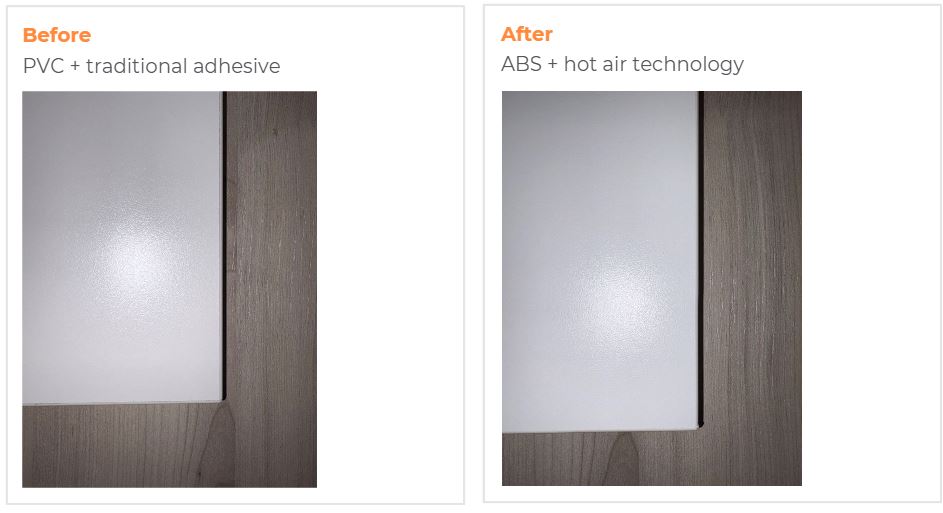
One of the most noticeable differences is the finished appearance. Conventional adhesive edging can leave a visible glue line between the edge and panel. Hot air technology creates what is commonly referred to as a zero-joint edge, resulting in a cleaner and more seamless transition between the two surfaces. With less visible glue, there is also less opportunity for that line to collect dirt, discolour or become more noticeable over time.
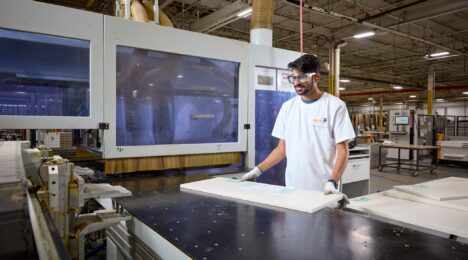
The change has also created measurable improvements on Tayco’s manufacturing floor.
Since increasing the use of hot air technology, Tayco estimates that glue-related machine cleaning and maintenance have been reduced by approximately 90%. Airtech equipment still requires regular cleaning and maintenance, but reducing conventional glue application minimizes many of the requirements associated with glue pots, adhesive handling and cleanup.
Tayco has also seen an estimated 10% reduction in changeover or related downtime, while overall throughput and feed speed have remained consistent.
That distinction is important. The benefit of hot air technology at Tayco is not about producing furniture faster. It is about simplifying parts of the edging process, significantly reducing reliance on separately applied conventional adhesive and decreasing the maintenance and handling associated with it, all while maintaining production performance.
Scrap and rework specifically related to glue have not been tracked, so Tayco is not attributing improvements in those areas to the technology.
The result is a process that maintains production performance while reducing much of the adhesive handling and maintenance associated with conventional edge banding, while also creating a cleaner finished edge.
Small Decisions Create Larger Impact
The significance of these changes extends beyond the manufacturing floor. Any material or process improvement still needs to deliver the quality, durability and design expectations required from the finished product.
What has changed is the material and process behind the edge. What has not changed is Tayco’s expectation for its performance. Durability, colour and finish coordination, and overall design intent remain central to the finished product.
This is where sustainability and product quality need to work together.
More responsible manufacturing does not always mean eliminating a material entirely or finding one solution that addresses every environmental concern. In this case, Tayco evaluated an existing plastic component and selected a chlorine-free alternative that meets our performance requirements, while changing the application process to reduce reliance on separately applied conventional adhesive.
An edge may seem like a small component within a finished piece of furniture, but decisions like these become more meaningful when they are repeated across products, projects and years of production.
That is often what progress in manufacturing looks like. A material is reconsidered. A process is improved. An established way of working is evaluated against what is possible today.
For Tayco, the transition from PVC to ABS edge banding and the increased use of hot air technology represent another step in that ongoing evolution.
Designing and manufacturing more responsibly is not defined by one material, one technology or one initiative. It is built into the decisions we make throughout the process, at every edge.